A New Era for the City’s Cannabis Scene: What Federal Rescheduling Means for San Francisco
Dispensaries
San Francisco didn’t just participate in the cannabis legalization movement — it started it. Yet
for years, the licensed dispensaries operating on its streets have been quietly drowning under a
tide of federal taxes, regulatory red tape, and unfair competition from an untaxed illicit market.
That is finally beginning to change.
On April 23, 2026, the U.S. Department of Justice and the Drug Enforcement Administration
announced a landmark order immediately placing both FDA-approved marijuana products and
state-licensed medical marijuana into Schedule III of the Controlled Substances Act  — the
most significant federal cannabis policy shift in over 50 years. For dispensaries across San
Francisco’s neighborhoods, the news landed like a long-overdue exhale.
The Tax Burden That Has Crushed SF Dispensaries
To understand why this matters so much to local operators, you have to understand just how
brutal the financial reality has been. San Francisco dispensaries have been paying three to five
times more in taxes than a regular business, the result of stacking local, state, and federal
obligations with no relief in sight.
At the federal level, the culprit has been Section 280E of the Internal Revenue Code. A
dispensary doing $5 million in revenue with $2 million in cost of goods and $2 million in
operating expenses pays an effective federal tax rate of approximately 70% under 280E,
compared to roughly 21% for a non-cannabis business with identical financials — a $490,000
annual penalty. In 2024, Whitney Economics estimated that only 27.3% of U.S. cannabis
operators were profitable, compared to roughly 65% of all small businesses.
On top of that, high state taxes, onerous regulatory burdens, and a lack of meaningful
enforcement against illicit activity have combined to suppress the legal cannabis market in
California.
What Rescheduling Actually Changes
The biggest impact comes down to money. With cannabis moved to Schedule III, the 280E
restrictions are expected to go away — meaning operators can finally deduct expenses like
payroll, rent, and marketing, freeing up capital to reinvest into growth, staffing, and expansion.
For a San Francisco dispensary paying some of the highest commercial rents in the country,
that’s the difference between survival and closure.
Cannabis businesses have also been forced to operate largely in cash because most banks won’t
touch Schedule I money. Schedule III dramatically improves the climate and is expected to clear
the path for the SAFER Banking Act, which would grant dispensaries access to standard
financial services.
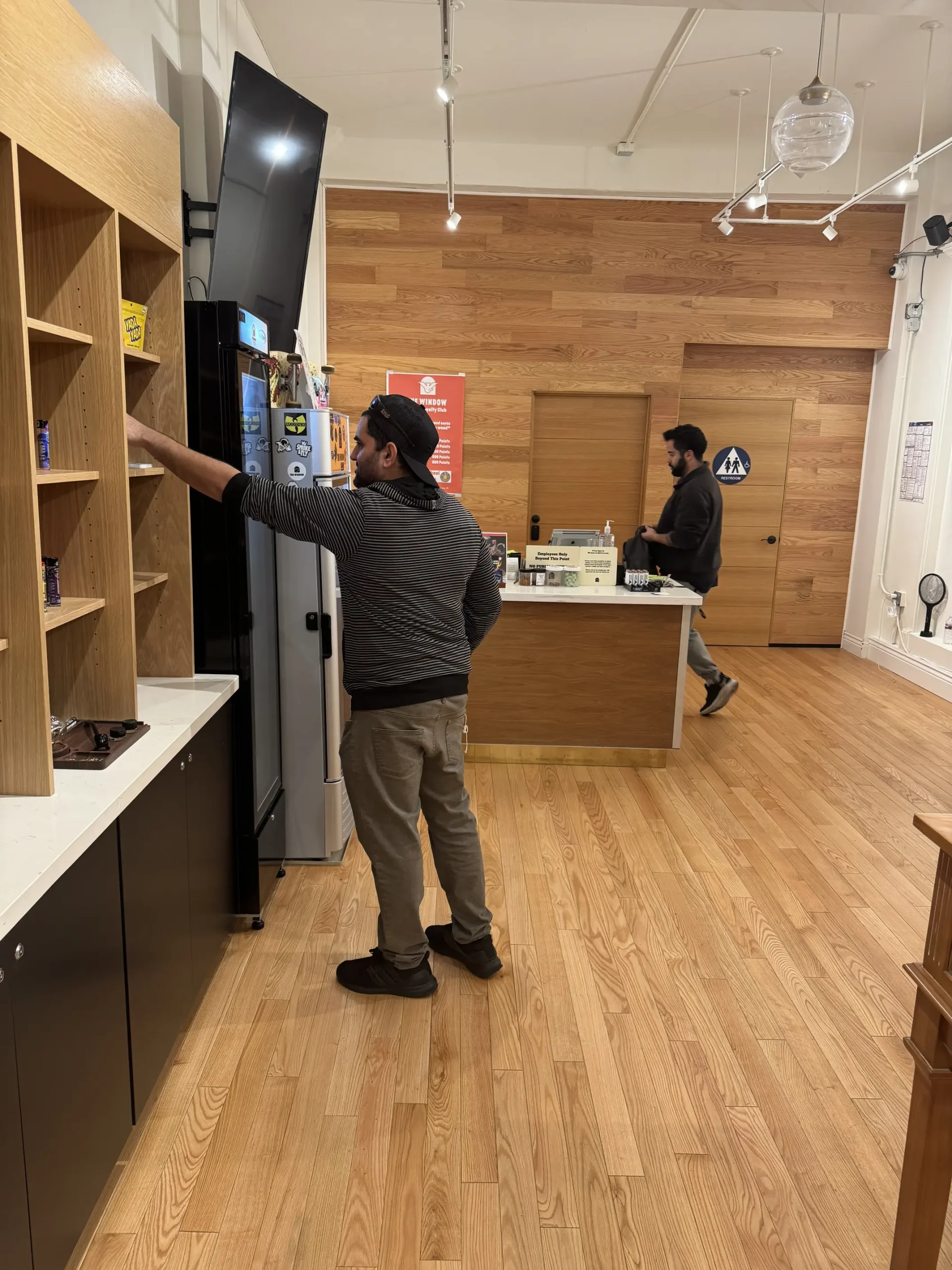
Licensed operators like The Window Dispensary at 2060 Polk Street — who have weathered
years of punishing tax conditions while competing against an untaxed illicit market — are
welcoming the changes as a meaningful step toward a more level playing field. For
neighborhood dispensaries like theirs, rescheduling isn’t just a policy win; it’s much-needed
financial relief that could help secure the future of responsible, community-based cannabis retail
in San Francisco.
Still Work to Be Done
Moving marijuana to Schedule III does not legalize recreational use at the federal level and does
not preempt state laws governing medical or adult-use cannabis. A new DEA administrative
hearing beginning June 29, 2026 will provide a pathway to evaluate broader changes to
marijuana’s status under federal law, and legal challenges from anti-legalization groups are
already being filed.
The most immediate positive implications are easing barriers to cannabis research, reducing
stigma for patients, and finally allowing the industry to get out from under the punitive 280E
framework — but full federal reform remains unfinished business.
For San Francisco’s dispensaries, this moment isn’t the finish line. It’s the first time in decades
that the federal government has taken a real step in the right direction. And for operators who
built an industry in spite of federal prohibition, that step — however incomplete — matters
enormously.